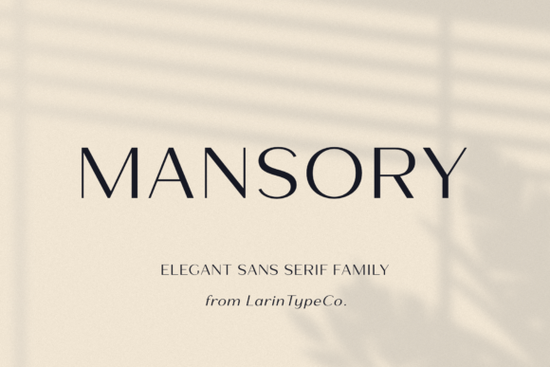
Finding a clean, elegant sans serif font that actually looks balanced across different design projects can be tricky. Mansory Font is one of those typefaces that feels effortlessly refined light, modern, and well-proportioned enough to work on everything from wedding invitations to brand logos. If you've been searching for a versatile sans serif that doesn't feel stiff or overused, this one deserves a closer look.
What Makes the Mansory Font Stand Out?
Sans serif fonts are everywhere, and most of them start to look the same after a while. What sets Mansory Font apart is its weight and spacing. It sits in that sweet spot between ultra-thin modern typefaces and heavier display fonts. The letterforms are clean without being cold, and the overall rhythm of the text feels natural on the page.
For designers who care about readability whether on a screen or in print this kind of balance matters. It means you can use Mansory for body text in a lookbook, a social media graphic, or a product label without it feeling too heavy or too faint.
Who Is This Font Best For?
Mansory works well for a surprisingly wide range of creative professionals and hobbyists:
- Print-on-demand sellers who need clean typography for t-shirts, mugs, and tote bags
- Small business owners creating menus, business cards, or packaging
- Wedding and event designers looking for an elegant sans serif for invitations and signage
- Bloggers and content creators who want consistent, readable type for social media graphics
- Crafters using cutting machines like Cricut or Silhouette for vinyl projects
If your work involves pairing fonts together, Mansory plays nicely with both serif and script typefaces. It gives your layout structure without competing with a decorative headline font.
What Design Styles Does It Work With?
Because of its light weight and clean geometry, Mansory fits naturally into several popular design aesthetics:
- Minimalist layouts the simplicity of the letterforms keeps things uncluttered
- Modern branding works for logos, wordmarks, and brand identity kits
- Editorial design clean enough for magazine-style layouts and lookbooks
- Boho and rustic projects pairs beautifully with textured backgrounds and natural elements
- Luxury and lifestyle branding the subtle elegance reads as high-end without trying too hard
For projects that need a slightly different mood, you might also explore other light sans serif options with a playful twist, which can give your designs a more casual or whimsical feel.
How Does It Compare to Other Sans Serif Fonts?
There are thousands of sans serif fonts available, so how does Mansory hold up? Compared to many free alternatives, you'll notice the spacing is more intentional. Each letter has room to breathe, which makes longer lines of text easier to read. The curves are smooth and consistent, giving your finished work a polished, professional look.
If you tend to gravitate toward rounded and approachable sans serif styles, Mansory offers a slightly more structured option that still feels warm. It's not rigid or corporate it just has a bit more definition.
Practical Uses for Print-on-Demand and Small Business
If you sell products online, typography can make or break a design. A font that looks great on your laptop screen might feel too thin or too bold when printed on a physical product. Mansory's balanced weight makes it a reliable choice for:
- T-shirt designs especially quote-based or text-only layouts
- Stickers and decals clean lines cut well on vinyl
- Tote bags and apparel readable at various sizes
- Digital planners and worksheets easy on the eyes for long reading sessions
- Social media templates consistent appearance across platforms
You can also check out more details about Mansory and similar font pairings to see how it fits into broader design projects.
Quick Checklist Before You Download
Before picking up Mansory for your next project, here are a few things to keep in mind:
- Check the license make sure it covers your intended use, especially for commercial products
- Test it at your target size preview the font at the exact dimensions you'll be printing or displaying
- Try a few pairings pair it with a script or serif font to see how it works in a full layout
- Look at letter spacing adjust tracking if needed for headlines vs. body text
- Preview on mockups place your text on product mockups before committing to a final design
Tip: When testing a new font, create a quick sample sheet with uppercase, lowercase, numbers, and common punctuation. This helps you spot any character issues early and gives you a realistic sense of how the typeface will perform in real projects.
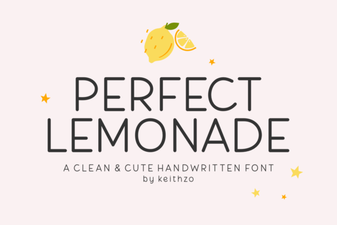 Perfect Lemonade Font for Fresh and Fun Design Projects
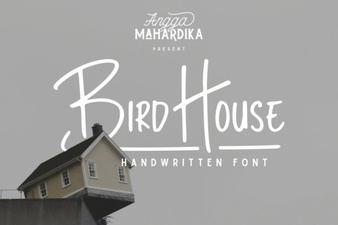 Bird House Font: Whimsical Typography for Creative Projects
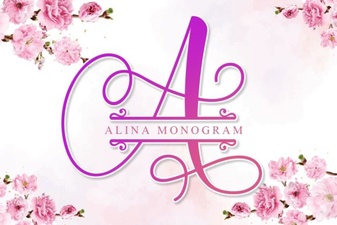 Alina Monogram Font: Elegant Letters for Creative Designs
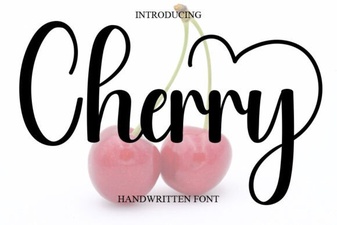 Cherry Font: Sweet and Stylish Typography for Creative Projects
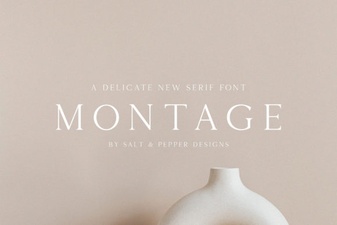 Montage Serif Font – Elegant Typeface for Classic Designs
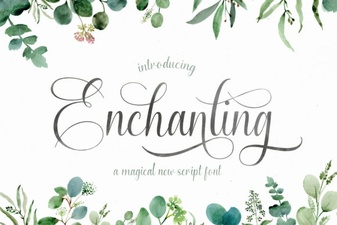 Enchanting Script Font – Elegant Handwritten Typeface for Designs